You’ve seen them along highways, around solar farms, and bordering schools—those clean-lined metal grids that blend strength with simplicity. But have you ever wondered how a bundle of steel wires becomes a rigid, weather-resistant security panel that stands for decades?
It’s not magic. It’s precision welding, quietly engineered behind the scenes.
Unlike older fencing methods that rely on twisting or tying wires together, modern welded mesh panels are born from a process where every intersection is fused into a single structural unit. This isn’t just about durability—it’s about creating a barrier that deters climbing, resists tampering, and requires almost zero maintenance.
Here’s how it unfolds:
It starts with high-carbon steel wire, drawn to exact tolerances. Before any heat is applied, each strand is cleaned—free of oil, rust, or residue—because even a microscopic layer of contamination can weaken a weld.
Then comes the core moment: resistance spot welding.
Inside a high-speed welding machine, vertical and horizontal wires cross under calibrated pressure. In milliseconds, an electrical pulse heats the contact point to melting temperature, bonding the wires without filler metal. The result? A crisp, consistent grid—panel after panel, mile after mile.
But the work doesn’t stop there.
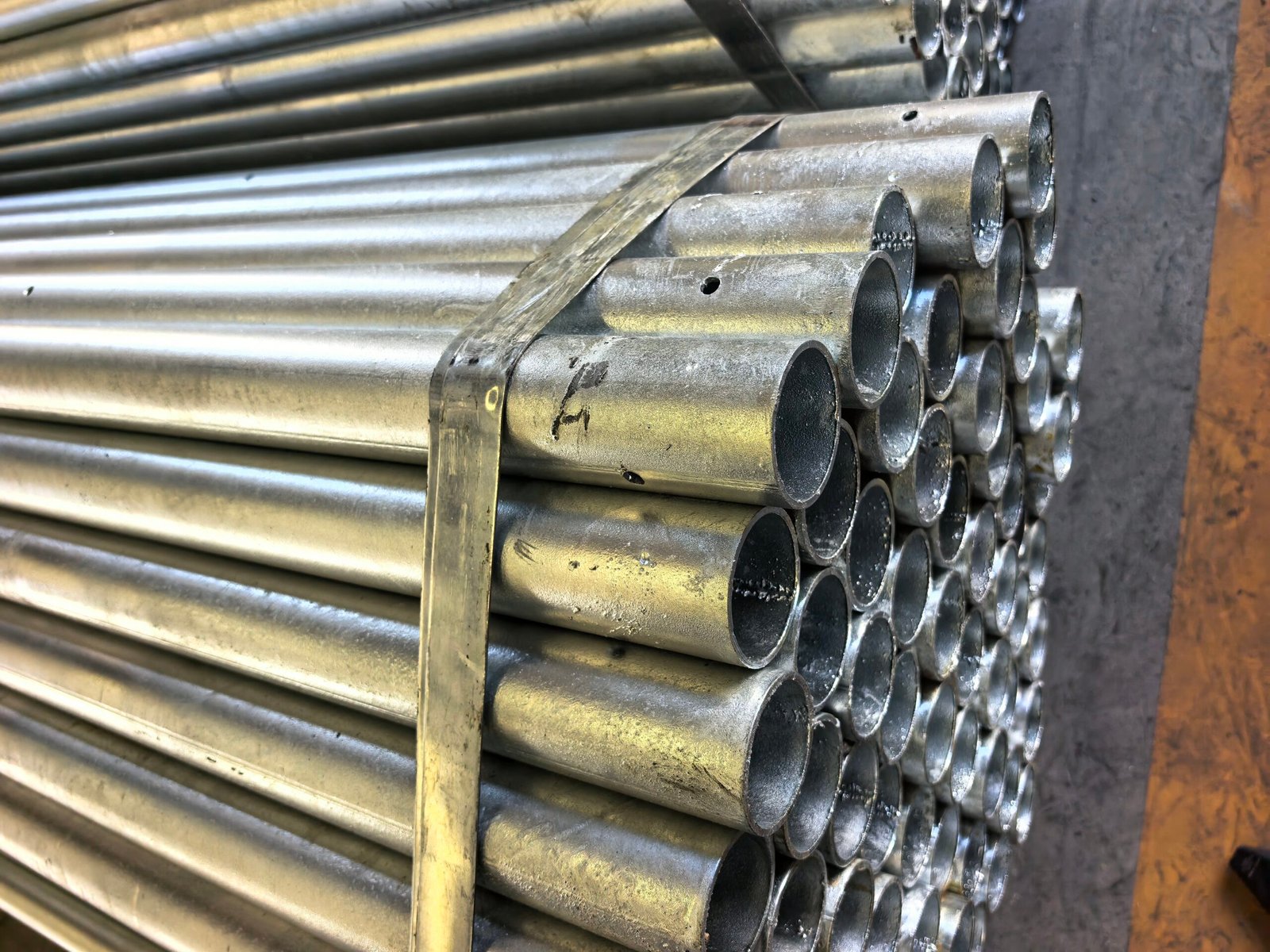
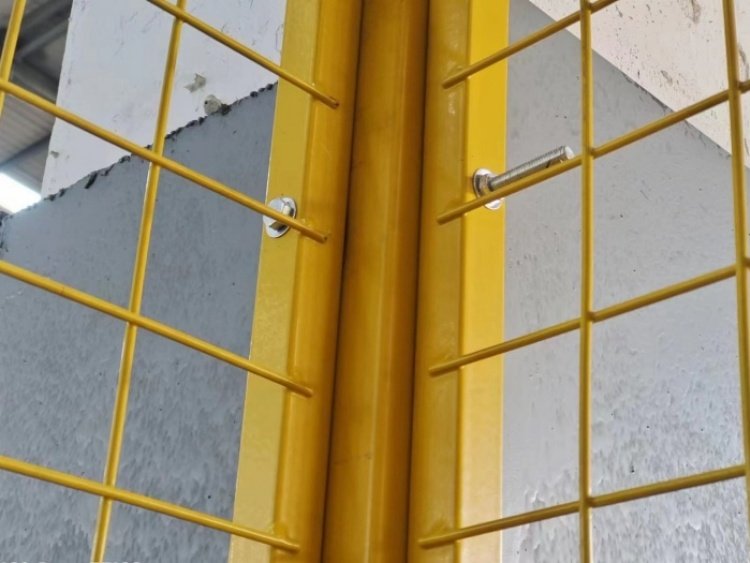
To survive sun, rain, and time, the entire panel is hot-dip galvanized—dipped in molten zinc to form a protective shell that fights corrosion for 20+ years. Many projects now add a PVC or polyester powder coating, not just for color (think forest green or urban gray), but to create a smooth, anti-climb surface that’s also kinder to the environment.
And yes—quality is tested, not assumed. Reputable producers check weld shear strength, coating thickness, and dimensional accuracy. Because in critical applications—like protecting a water treatment plant or securing a logistics hub—a weak node could compromise the whole system.
What’s often overlooked is this: welded mesh fencing isn’t just functional—it’s sustainable. Steel is 100% recyclable, galvanizing uses minimal waste, and the long service life means fewer replacements, less transport, and lower carbon impact over time.
So next time you pass a neatly lined fence beside a railway or around a community garden, remember: beneath its quiet appearance lies a story of material science, engineering discipline, and thoughtful design.
And that’s what real security looks like—not loud, but unwavering.